
As electric vehicles continue to transform the automotive landscape, understanding EV charging has become essential for new and future EV owners. Here in Australia, EV adoption is accelerating, and with it comes the need to know how to safely and efficiently keep your vehicle powered—whether at home, at work, or on the road.
The good news? EV charging is simpler than most people think. Once you understand the different charging levels, plug types and charging habits, powering up your EV becomes as routine as charging your phone.
Understanding EV Charging Levels: Level 1, Level 2 and Level 3
Not all EV chargers deliver power at the same rate. The speed of EV charging depends on the charger type, your vehicle’s battery size, and the onboard charging capabilities of your car.
Level 1 Charging – AC Slow Charging
Level 1 charging is the most basic form of EV charging, using a standard household outlet.
- Power: 1.4kW–2.4kW
- Best for: Light daily driving, plug‑in hybrids, or overnight charging
- Charge time: Up to 14 hours for a full charge from empty
This method is often called “trickle charging.” It’s slow, but ideal if you drive less than 40km a day and have plenty of time to top up your battery between trips.
Level 2 Charging – AC Fast Charging
Level 2 chargers significantly speed up EV charging, making them the most popular option for homes and workplaces.
- Power: Up to 7.2kW (single phase)
- Best for: Daily drivers who want faster overnight charging
- Range added: Around 40km per hour of charging
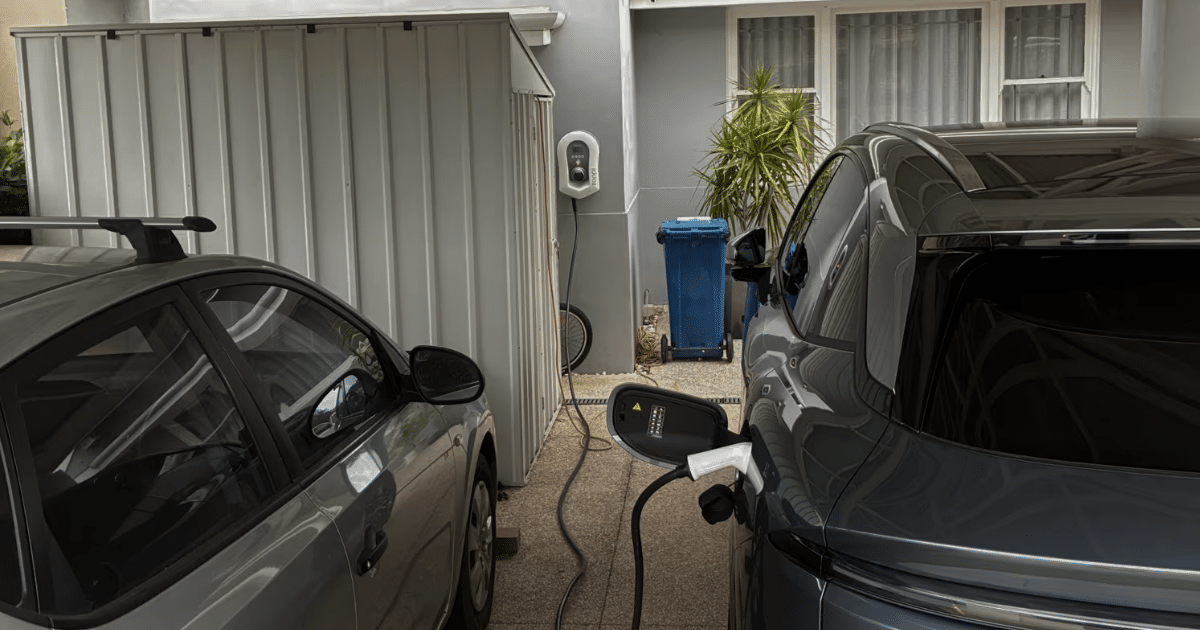
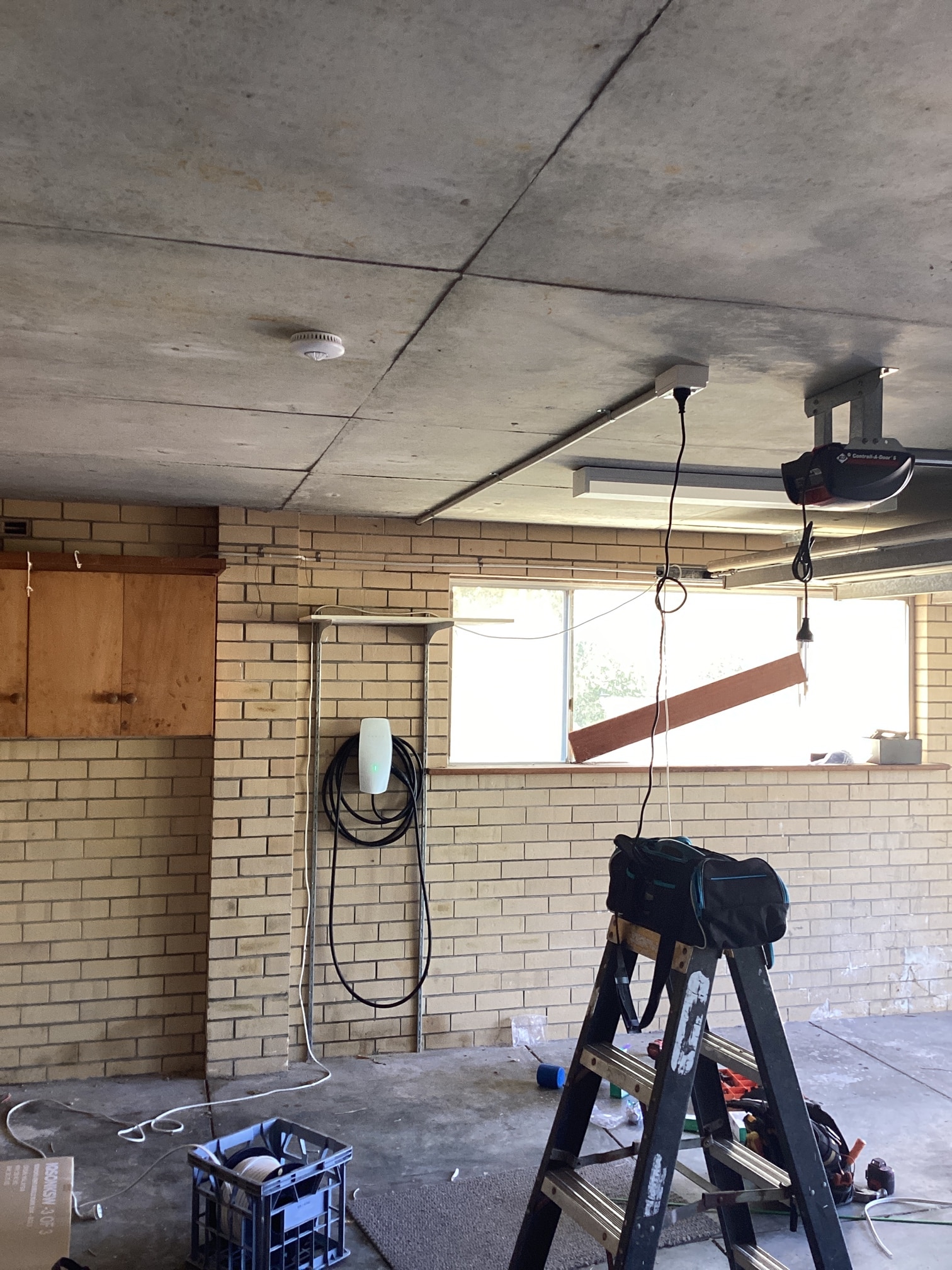
A wall‑mounted home charger installed by a qualified electrician can triple your charging speed compared to using a standard power point. Level 2 chargers also appear at shopping centres, hotels, and public car parks.
Level 3 Charging – DC Fast Charging
For the fastest EV charging, Level 3 DC chargers are the way to go.
- Power: 25kW–350kW
- Best for: Long‑distance driving and road trips
- Range added: 60–70km per 10 minutes
These charging stations are usually found along highways or major routes and are designed for quick top‑ups while you grab a coffee. Not all vehicles can take full advantage of high‑powered DC charging, so it’s important to check your EV’s specifications.
AC vs DC Charging: What’s the Difference?
Understanding the basics helps you choose the right EV charging options:
- AC charging (Levels 1 and 2) uses your vehicle’s onboard inverter to convert power for your battery.
- DC charging (Level 3) bypasses the inverter and feeds power directly into the battery, allowing for ultra‑fast charging.
EV Charging Plug Types You Should Know
Different EVs come with different charging port types. In Australia, the most common plugs include:
- Type 2 (AC): The current standard for Australian EVs
- CCS2 (DC): The preferred fast‑charging plug across the country
- CHAdeMO (DC): Found on some older EV models
Adaptors can help bridge compatibility gaps, but your EV will only charge as fast as its hardware allows.
Charging at Home vs Charging at Public Stations
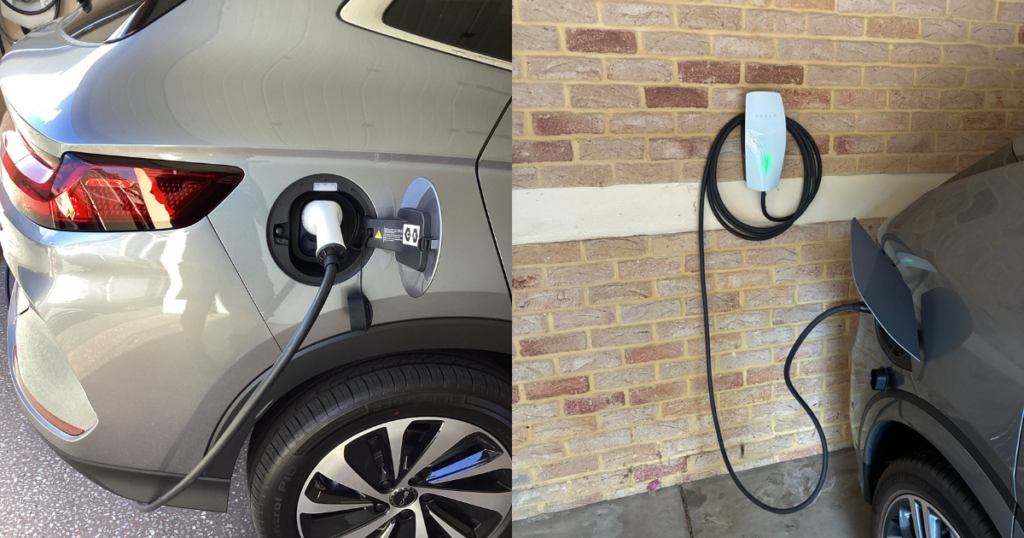
One of the biggest perks of EV ownership is the ability to charge at home. Installing a Level 2 EV charger gives you fast, convenient access to daily charging—no need to visit a petrol station again. For even greater savings, many EV owners pair charging with solar power or off‑peak electricity plans.
Public EV charging stations, on the other hand, are ideal for road trips or quick top‑ups. Fast and ultra‑rapid chargers reduce wait times and help you get back on the road quickly. Apps like PlugShare make it easy to locate chargers and check availability in real time.
How Often Should You Charge Your EV?
Most EVs only need to be charged once or twice a week. Manufacturers typically recommend keeping your battery between 20% and 80% to maintain long‑term health. Charging overnight or during off‑peak hours can also reduce costs and ease demand on the grid.
Make EV Charging Part of Your Everyday Routine
Once you get to know your EV and its charging needs, EV charging becomes second nature. By understanding your options—from home charging to high‑speed public stations—you can enjoy a smooth, efficient, and cost‑effective driving experience.
Connect With Us
Electric Vehicle Charging Installations
Email: info@evci.com.au
Phone: 0491 604 384
Website: evci.com.au
Follow us on Facebook / Instagram for the latest updates.
We look forward to hearing from you and helping you make informed choices that align with your eco-conscious lifestyle.